
For many families, summer means a house that is a little busier than usual. Kids are home from school, vacations come and go, schedules are flexible, and your dog may have gotten used to having people around much more often.
Then, seemingly overnight, the school bus arrives.
Kids head out the door. Parents go to work. The house gets quiet. And your dog is suddenly expected to spend much more time alone than they have for the past few months.
While the back-to-school transition can be exciting for people, it can be a pretty big adjustment for dogs. Fortunately, there are things you can do now to help make the transition easier.
Dogs Notice Changes in Routine
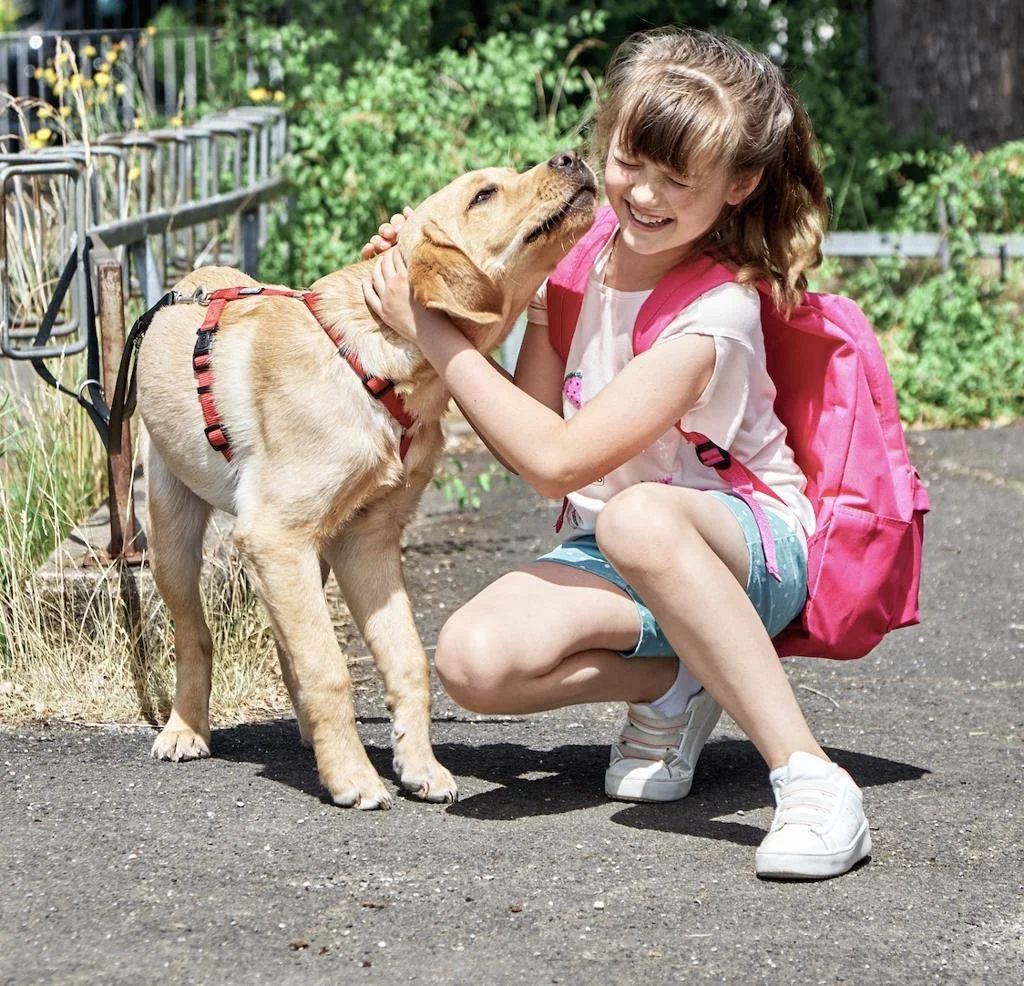
Dogs are creatures of habit. They learn the patterns of our daily lives, including when we wake up, when meals happen, when everyone leaves the house, and when people typically come home.
That doesn't mean dogs need to follow a rigid schedule every minute of the day. But predictable routines can help dogs feel secure and understand what to expect.
A sudden change from having people around all day to being alone for six, eight, or more hours can be confusing or stressful.
Some dogs take the change in stride. Others may show signs that they're having a harder time adjusting.
You might notice your dog becoming more restless, following family members from room to room, barking or whining when people leave, having accidents in the house, chewing or destroying things, or generally seeming more unsettled.
Start the Transition Before School Starts
One of the best things you can do is avoid making the first day of school the first day your dog experiences the new routine.
If your dog has been accustomed to having people around all day, start gradually increasing their alone time before the school year begins.
For example, you might run a few errands without your dog, spend some time working in another room, or give your dog a quiet rest period while the rest of the family is busy elsewhere.
The goal isn't to suddenly leave your dog alone for an entire day. Instead, you're giving them opportunities to practice the new routine while everyone is still home.
You can also begin shifting mealtimes, walks, bathroom breaks, and bedtime toward the schedule you'll have once school starts.
Small changes made gradually are usually much easier for dogs to handle than one giant change all at once.
Give Your Dog Something to Do
When a dog's routine changes, it's important to think about more than simply how long they'll be alone.
What will they actually do during that time?
Dogs need opportunities to move their bodies, explore their environment, use their senses, and engage their brains. A long stretch of downtime isn't necessarily a problem—most adult dogs are perfectly happy to sleep for a good portion of the day—but enrichment can make the day more interesting and satisfying.
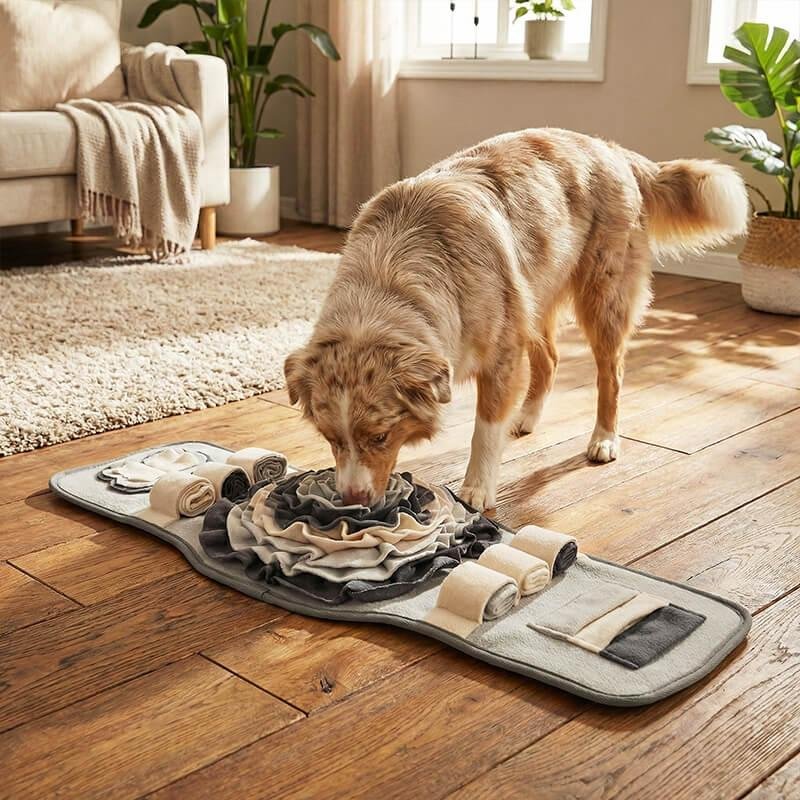
Try incorporating some of these activities into your dog's routine:
Food puzzles and interactive feeders
Snuffle mats or scatter feeding
Frozen food-stuffed toys
Safe chew items
Short training sessions
Hide-and-seek with toys or treats
Decompression walks where your dog can sniff and explore at their own pace
And remember: enrichment doesn't have to mean buying another complicated gadget.
A few minutes of letting your dog sniff around the yard, searching for treats hidden around the house, or practicing simple training skills can provide valuable mental stimulation.
Don't Forget About the Midday Break
For dogs who will suddenly be spending much more time home alone, breaking up the day can make a big difference.
A midday walk gives your dog an opportunity to get outside, stretch their legs, sniff, explore, and interact with someone before settling back down for the afternoon.
And not every walk needs to be a fast-paced march around the neighborhood.
For many dogs, a slower-paced sniffari or decompression walk can be especially beneficial. Giving your dog time to follow their nose and explore their environment provides mental stimulation in addition to physical exercise.
A midday adventure can also help establish a predictable rhythm: morning routine, some alone time, midday activity, more rest, and then the family comes home.
For busy families, scheduling a regular dog walk or adventure can be an easy way to build that break into the day.
Watch for Signs Your Dog Is Struggling
Some adjustment is normal when routines change. Your dog may be a little clingier, more tired, or more excited when everyone gets home. But significant or persistent changes in behavior deserve attention.
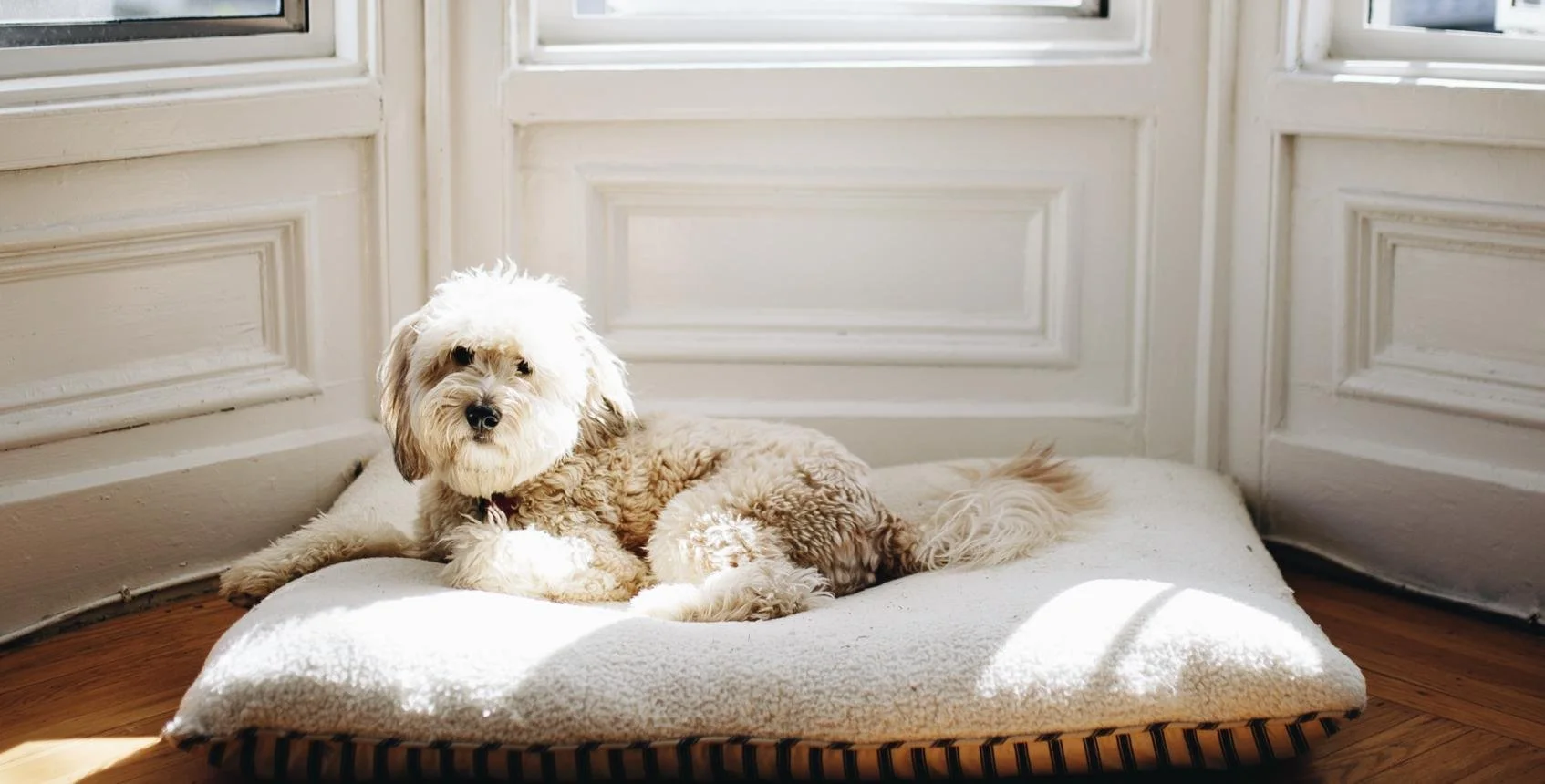
Keep an eye out for things like:
Excessive barking or vocalizing when left alone
Destructive behavior
Repeated accidents despite being reliably house-trained
Pacing or inability to settle
Excessive drooling or panting
Attempts to escape confinement
Changes in appetite
Increased reactivity or irritability
Excessive following or attention-seeking
It's especially important to look at the whole picture. A dog who chews up a pillow once because they were bored is different from a dog who repeatedly panics when their family leaves.
When Is It Time to Get Help?
If your dog is having a difficult time adjusting, don't wait until the problem becomes overwhelming before reaching out for help.
A qualified trainer or behavior professional can help you identify what's contributing to the behavior and create a plan that works for your individual dog.
“Behavior is communication. Rather than simply asking, “How do I stop this behavior?” it can be more helpful to ask, “What is my dog trying to tell me?””
For dogs experiencing significant separation-related distress, professional guidance can be particularly important. Separation anxiety isn't something a dog can simply "get over," and punishment or letting them "cry it out" can make the problem worse.
If you're seeing severe anxiety, self-injury, escape attempts, or other concerning behaviors, it's also a good idea to talk with your veterinarian. Medical issues can sometimes contribute to changes in behavior, and your veterinarian can help determine whether additional behavioral or medical support is appropriate.
Getting help early can make the process much easier for both you and your dog.
Make the New Routine a Positive One
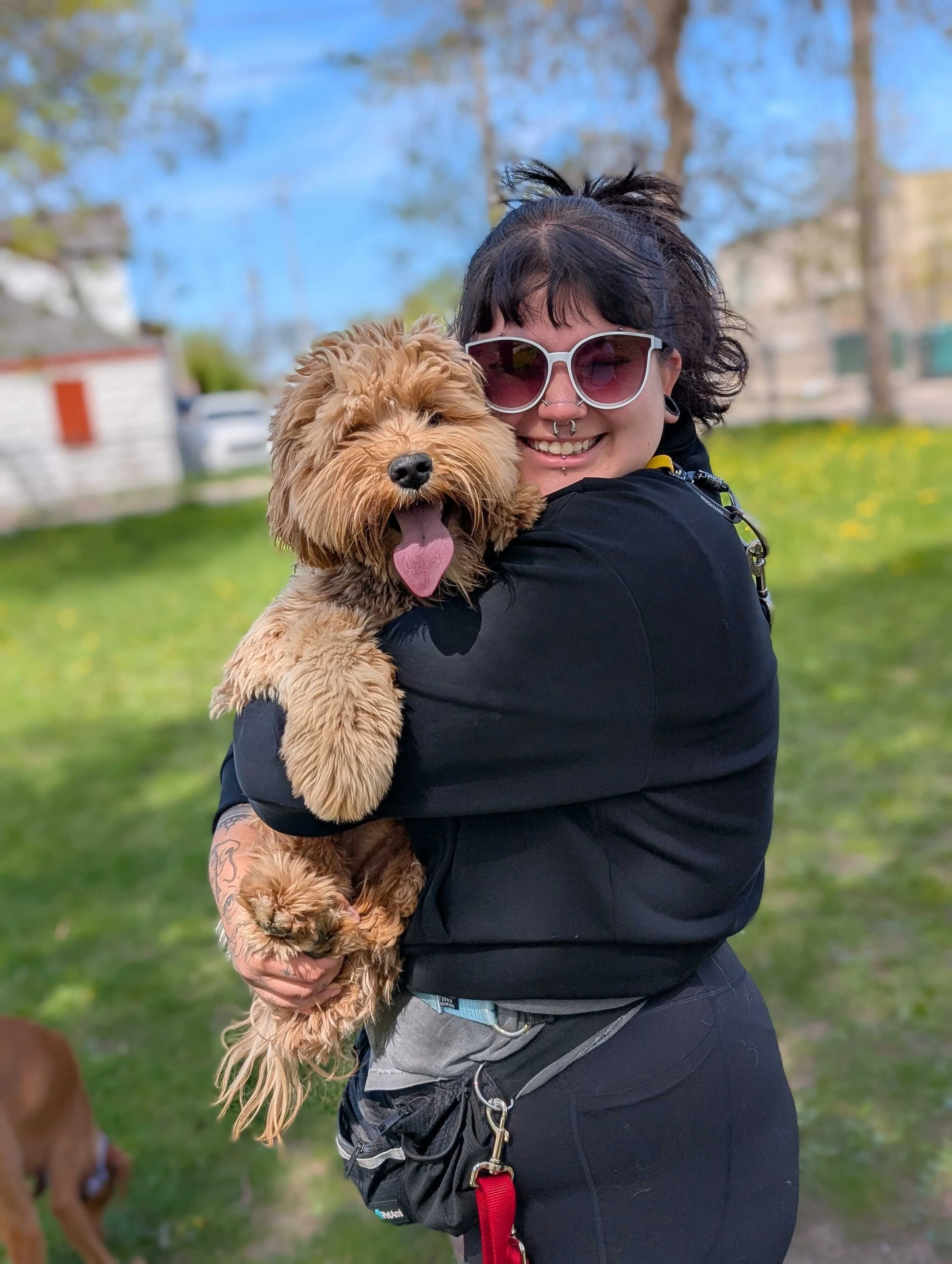
The return to school or a big change in your schedule doesn't have to mean your dog's life suddenly becomes boring. In fact, it can be a great opportunity to create a predictable routine that balances rest, enrichment, exercise, and quality time together.
Think about what your dog needs throughout the day—not just how long they'll be alone. Maybe that's a good walk before everyone heads out for the day, a food puzzle while the kids eat breakfast, or a midday outing to break up a long afternoon at home.
And remember, you don't have to fill every minute of your dog's day. The goal is to create a routine that meets their physical, mental, and social needs while giving them plenty of opportunities to rest and relax, too. If your dog is used to having a house full of people all summer, give them some time to adjust. Pay attention to their behavior, keep their routine as consistent as possible, and make changes gradually when you can.
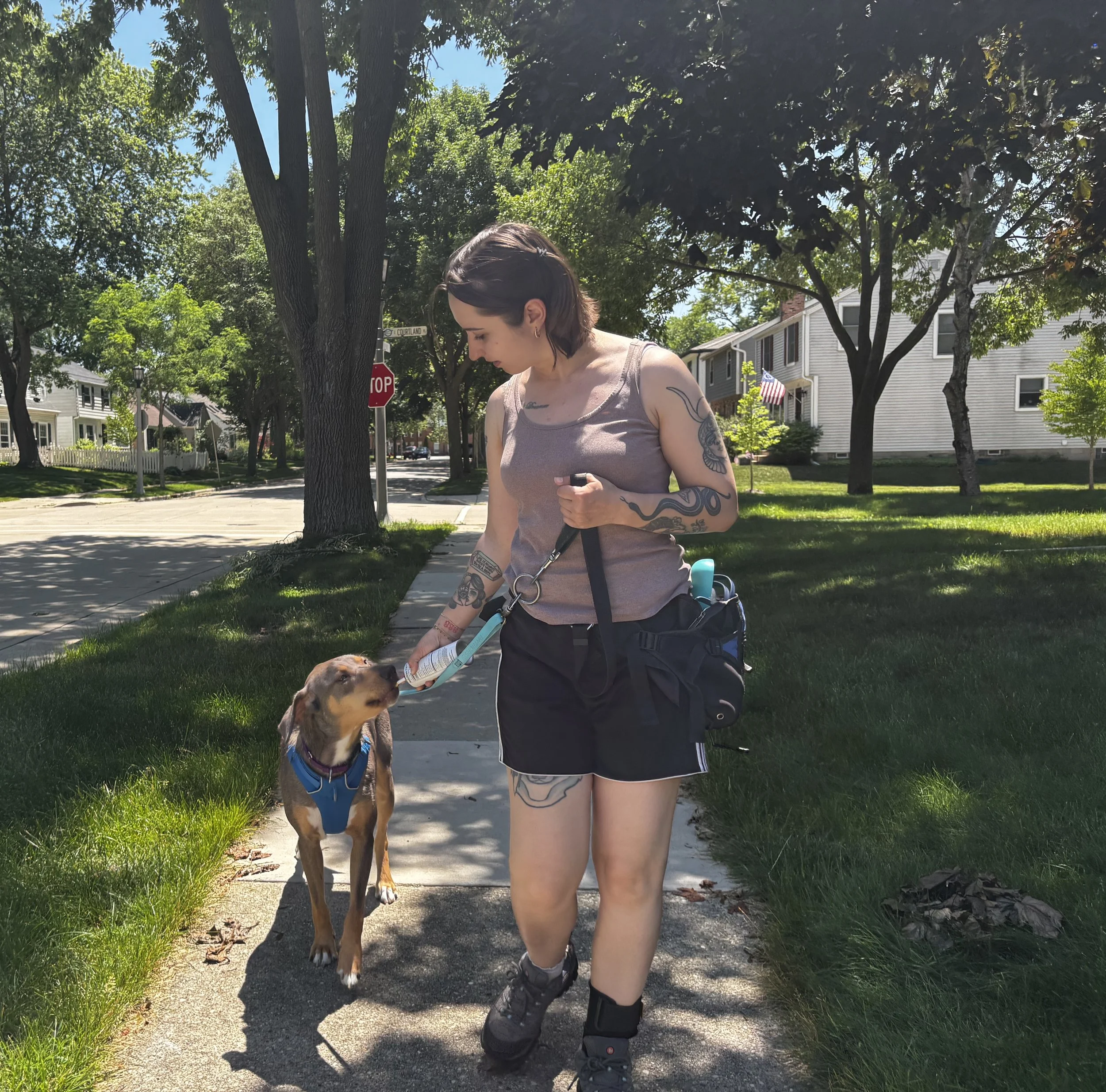
That's where Off Leash MKE can help. Our recurring walks, Sniffaris, and Adventure Club outings give your dog a predictable break in their day while providing exercise, enrichment, and time with a trusted member of their care team. Because we get to know your dog over time, we're able to learn their personality, preferences, body language, and individual needs—not just show up and "get the walk done."
A little preparation can make the transition back to school easier for everyone. And while you're adjusting to the new school-year routine, we're here to help make sure your dog is getting the activity, enrichment, and connection they need, too.
Looking for the perfect autumn outing with your dog? Check out these dog-friendly pumpkin farms around Milwaukee, where you can enjoy scenic strolls, pumpkin picking, and a fun-filled day with your pup!